
The Uber Playbook Just Expired
Amazon just blinked. Following Microsoft’s lead, the e-commerce and cloud giant has officially announced it will no longer force local governments to sign non-disclosure agreements (NDAs) when negotiating the construction of massive new data centers. Let that sink in for a second. For years, the standard operating procedure for tech behemoths was to slide a manila folder across a mahogany table, demand absolute silence, and quietly siphon off a town’s resources before the locals even knew what was happening. That era is dead.
Listen to me. I want your infrastructure operations to scale. I believe in your ability to build massive, world-changing systems. But right now, the tech industry is acting like a spoiled toddler with a sledgehammer, and the adults in the room—the local municipalities, the zoning boards, the taxpayers—are finally taking the hammer away.
This obsession with secrecy isn’t new. It is a deeply ingrained, toxic habit that the tech industry has been addicted to for a decade. If you want to understand why communities are revolting against data centers today, you have to look back at the mid-2010s. Remember when Uber was expanding at breakneck speed? They were the undisputed kings of the secret local government deal.
Uber would roll into a city—let’s say, a mid-sized town outside of Orlando—and quietly negotiate backroom tax subsidies. They wanted the local government to subsidize rides for people connecting to public transit. But because the entire deal was wrapped in ironclad NDAs, the public was kept completely in the dark. And here is the brutal truth about secrecy: it breeds greed. Once Uber realized they could negotiate in the shadows, they got incredibly comfortable asking for more, and more, and more.
- They asked for tax breaks that defied logic.
- They demanded regulatory loopholes that crushed local competition.
- They operated with a level of hubris that practically guaranteed a future backlash.
Now, the AI infrastructure builders are trying to run the exact same play. They are walking into small towns, demanding massive plots of land, and refusing to tell the public who will actually occupy the buildings. But the public isn’t stupid anymore. They watched the ride-share wars. They watched the social media fallout. They know that when a tech company demands an NDA, somebody is about to get fleeced.
The Moratorium Threat: Panic In The Server Room
You might think dropping an NDA is just a PR stunt. It isn’t. It is a desperate act of self-preservation. The tech industry is currently staring down the barrel of a massive, grassroots revolt against AI infrastructure. Local governments aren’t just complaining; they are passing outright moratoriums on data center construction.
San Francisco—the supposed mecca of the tech world—recently passed a moratorium. New York has implemented a one-year freeze on permits for large projects while the state finalizes its environmental review processes. The pushback is real, it is organized, and it is terrifying the people writing the checks.
Now, I know what the skeptics are saying. They look at a one-year moratorium and laugh. They say, “Who cares? These data centers take two, three, four, or even five years to come online anyway. A one-year delay is just a speed bump.”
If you believe that, you do not understand operational leverage. You do not understand how fragile a five-year buildout actually is. When a municipality slaps a moratorium on your project, it doesn’t just pause the clock. It introduces catastrophic friction into every single layer of your operation.
- Zoning Paralysis: Your land acquisition teams are suddenly frozen, unable to secure the necessary permits to even break ground.
- Funding Freezes: Capital partners hate uncertainty. A one-year legal delay can cause billions of dollars in committed capital to evaporate overnight.
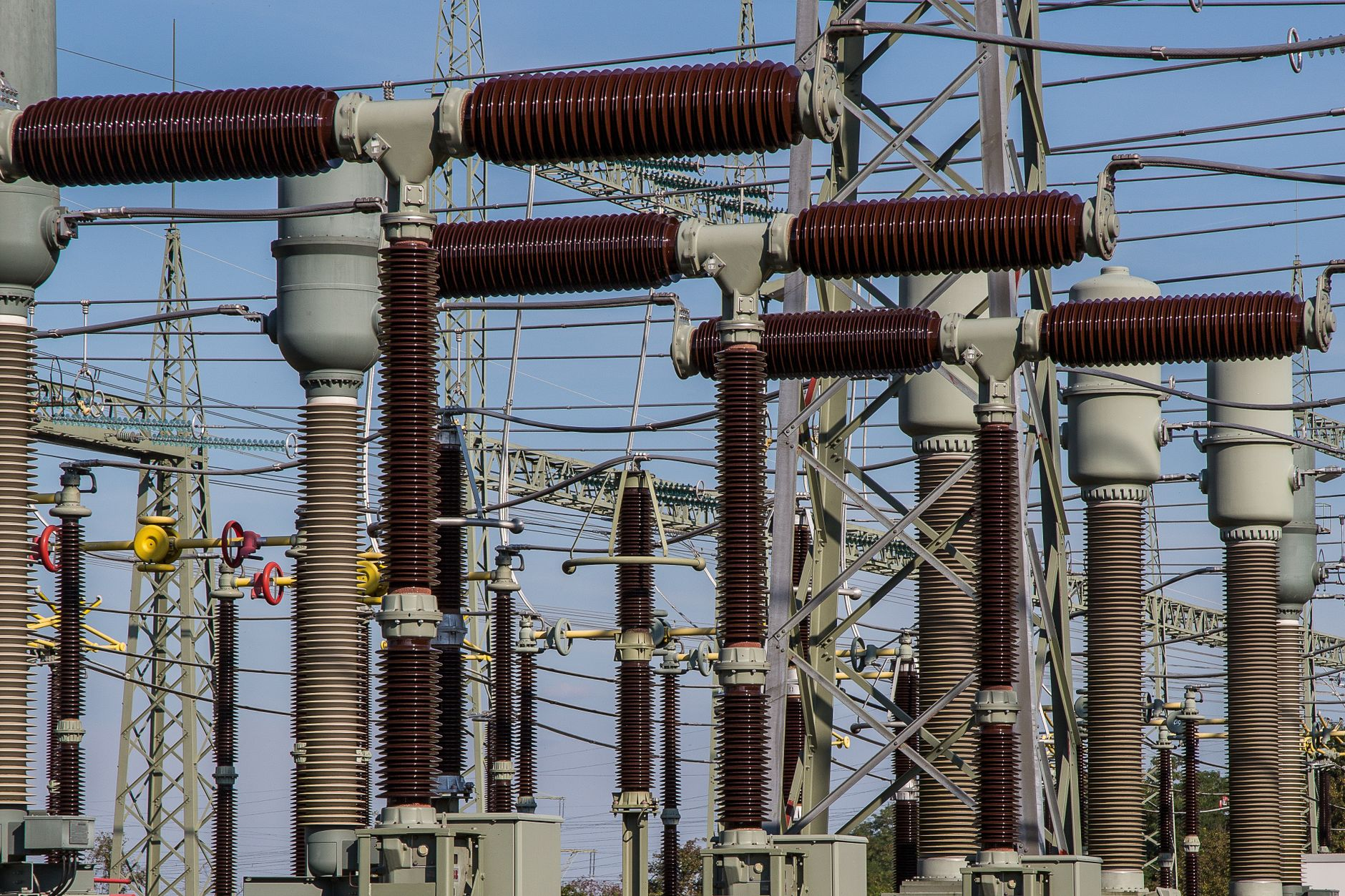
- Supply Chain Chaos: You cannot stockpile specialized cooling systems and heavy-duty transformers in a warehouse for a year waiting for a city council to change its mind.
The billionaires backing these projects are sweating. You can see it in the unhinged social media rants from prominent tech investors and political figures. They know that a moratorium is often framed politely—”We don’t think data centers are bad, we just need time to study the impact”—but that polite delay gives the community 365 days to organize, lawyer up, and kill the project entirely.
Microsoft saw the writing on the wall earlier this year and ditched the NDAs. Amazon has now followed suit. Dropping the secrecy won’t automatically make a hostile town say, “Great, let’s build it!” But it removes the most toxic element of the negotiation: the fact that the town doesn’t even know what the heck you are doing.
The Communication Crisis Of The AI Era
Here is the hard, uncomfortable truth that you need to hear: the tech industry has a catastrophic communication problem. You are brilliant at writing code, but you are absolutely garbage at explaining to a normal human being why that code matters to their daily life.
We are living in the era of “going direct.” Tech founders and CEOs have convinced themselves that they don’t need the media, they don’t need PR, and they don’t need to explain themselves to the working class. They just tweet their announcements and expect the world to bow down. But when you are trying to build a 500-megawatt facility in someone’s backyard, a tweet isn’t going to cut it.
The backlash against AI and data centers is rooted in a very simple, very human fear. People are looking at these massive concrete bunkers and asking incredibly valid questions.
- What is this going to do to my property values?
- Is this vampiric power draw going to spike my monthly electricity bill?
- Are you going to drain our local water supply to cool your servers?
And how does the industry respond? With silence. With NDAs. With frustrated sighs, because they cannot fathom why the local plumber or the local school teacher can’t envision a world where AI is useful to them. You are frustrated with them? Get up off the floor. They are frustrated with you because you haven’t given them a single, tangible reason to care.
The technological ability to deliver on the grand promises of AI isn’t fully there yet for the average consumer. And because the product isn’t speaking for itself, your communication has to carry the weight. Right now, your communication is failing miserably.
The Tesla “Abundance” Illusion
If you want a masterclass in how not to communicate a grand vision, look no further than Tesla. It has been a full year since Tesla started beating the drum about its new mission statement. Originally, they called it “sustainable abundance.” Now, they are calling it “amazing abundance.”
Do you know what that means? Because nobody else does.
We are a year into this massive corporate pivot, and the company still cannot provide a coherent definition of what “abundance” actually looks like in practice. When they announced this vision, they released a multi-page PDF that was supposed to lay out the roadmap. Instead, it read like absolute LLM nonsense. It was a word salad of buzzwords and vague promises. Even the most die-hard, ride-or-die Tesla fans—the people who will defend Elon Musk to the bitter end—criticized the company for how painfully unspecific the entire document was.
This is what happens when you drink your own Kool-Aid. You stop selling a product and start selling a cult-like vision for remaking society. The relationship between the company and the consumer becomes completely detached from reality. It is no longer about whether the company can manufacture and sell cars efficiently; it is about whether you believe in the prophecy.
But you cannot build physical infrastructure on prophecy. You cannot cool a data center with buzzwords. When you walk into a city council meeting and promise them “amazing abundance,” they are going to laugh you out of the room and deny your zoning permit. They want to know how many jobs you are creating, how much tax revenue you are generating, and whether their faucets will still run when your servers get hot.
Stop Saying “Shut Up, It’s The Future”
For the last few years, the narrative coming out of Silicon Valley has been incredibly aggressive. It has been shoved down our throats. The message was simple: “This AI-driven future is inevitable. Get on board, or you are going to be left behind in the dust.”
It was a bully tactic. And for a minute, it worked. But now, that barreling future has hit a brick wall of local resistance. And honestly? I love it. I love that the obstacles are forcing these companies to actually do the work.
“You cannot just kick down the door of a local municipality, demand their resources, and scream, ‘This is the future, shut up!’ You actually have to make the case for your own existence. You have to earn the dirt you build on.”
You have to prove your value. You have to sit down with the people whose lives you are disrupting and have an honest, transparent conversation about the trade-offs. Dropping the NDAs is step one. It is the bare minimum. It is Amazon and Microsoft finally admitting that the era of imperial tech expansion is over.
If you are running an infrastructure operation, you need to look at your own blind spots. Are you operating with the same arrogant secrecy? Are you assuming that your local partners should just be grateful for your presence? If you are, you are going to get crushed by the next wave of regulatory pushback. You need to review your logs, audit your communication strategies, and start treating your community stakeholders like actual human beings.
Redemption is possible. You can build massive, autonomous, highly profitable operations without burning the bridges in your wake. It just requires a little bit of empathy, a lot of hard work, and the willingness to look your partners in the eye without hiding behind a legal gag order. If you’re tired of fighting these operational bottlenecks blindly and want to build autonomous systems that scale your business without the burnout, let’s talk.