Tim Cook didn’t just step down. He executed the most calculated, cold-blooded mic-drop in corporate history. Less than two weeks after vacating the CEO chair, he sat back and let John Ternus walk onto the stage to unveil the iPhone Duo—the company’s first foldable smartphone and the most exciting piece of hardware they’ve dropped in a decade. Why? Because in the tech sector, leadership transitions are usually bloodbaths. Cook knew that to legitimize a new king, you have to hand him a crown that actually shines.
It was the safest play in the book.
But if you look past the shiny foldable glass and the roaring applause, this keynote wasn’t really about a phone. It was a desperate, highly orchestrated narrative pivot. Ternus came out swinging with a definitive point of view on artificial intelligence. Unlike Cook—who was famous for collaborative, endless questioning and managing by committee—Ternus is a wartime general. You bring him a problem, he makes a decision. You might absolutely hate his decision. You might think OpenAI or Anthropic has a vastly superior approach to the technology. But Ternus planted his flag on that stage and called the iPhone an intelligent personal hub.
The market doesn’t reward the best technology; it rewards the most undeniable narrative. If you don’t tell the world exactly what your product is, the world will gladly decide it is a failure.
Let’s call a spade a spade. The intelligent personal hub is just a slick 2024 remix of Steve Jobs calling the 1998 iMac the digital hub. It’s a cover band playing the greatest hits because they don’t have the new album ready yet. Apple has been fumbling its AI narrative for two years, and this massive September event featured exactly zero notable new AI features. They are propping up the iPhone as an AI device simply because they don’t have a dedicated AI device yet. If you are running a tech company or managing a consumer electronics pipeline, pay very close attention to this sleight of hand. When your backend isn’t ready, you aggressively reframe the frontend.
While Ternus is on stage trying to convince the world that the iPhone is the center of the AI universe, Mark Zuckerberg is out here handing everyone 8GB of cloud storage and RAM. Meta is running laps in the cloud while Apple is trying to cram a supercomputer into a pocket. You can feel however you want about Meta, but they are deploying real, heavy-lifting AI capabilities while Apple is playing a PR game.
The 4000 Dollar Elephant in the Room
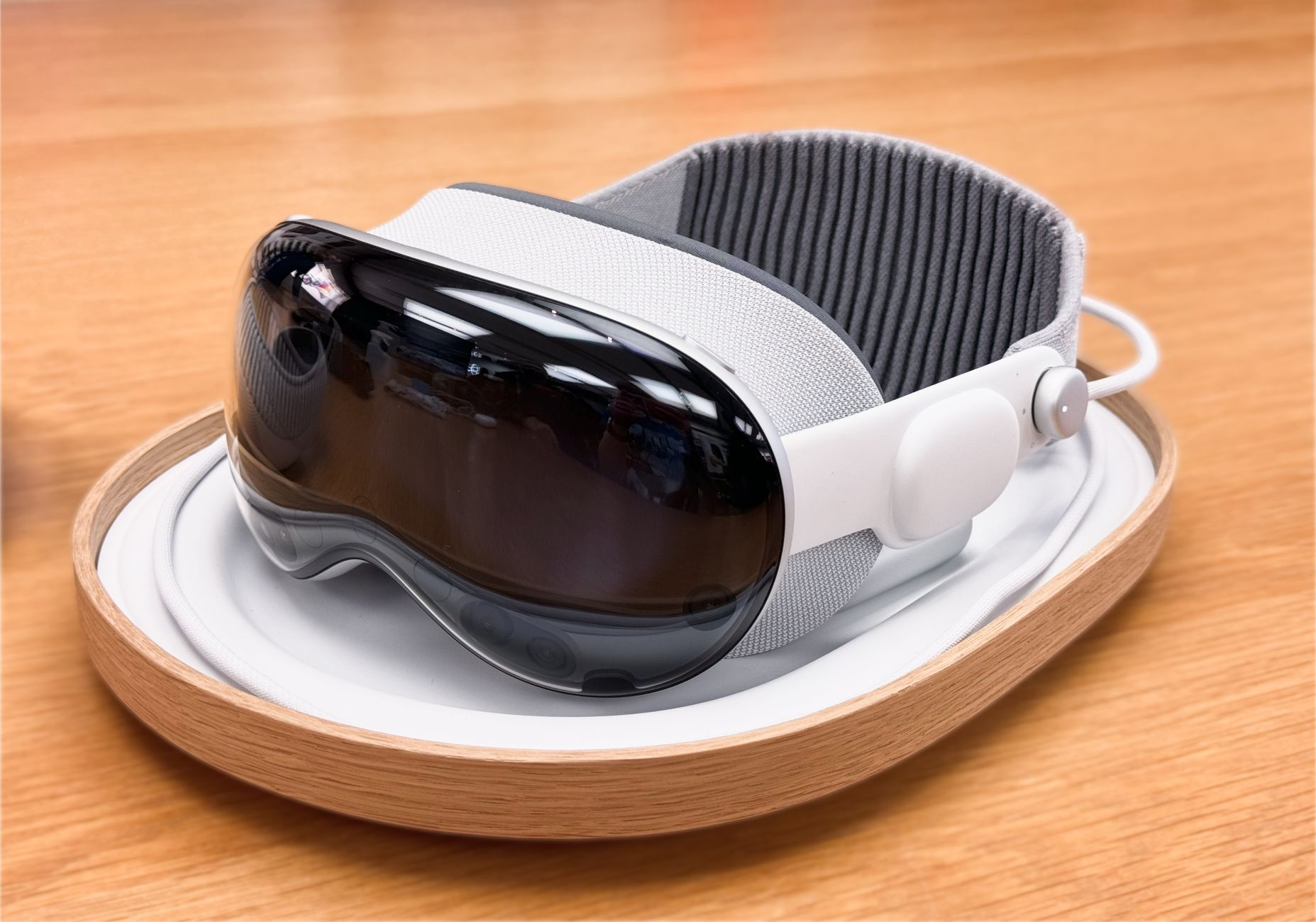
Let’s talk about the disaster that no one at Apple wants to make eye contact with: the Vision Pro. Every time someone points out that this headset is on life support, the fanboys come out of the woodwork sending death threats. Why? Because developers built entire businesses around spatial computing, and consumers drained their savings accounts to buy a $4,000 gadget. They are terrified of the reality.
The Vision Pro is a failure.
But here is why Apple is a trillion-dollar empire and why some of your tech startups are struggling to make payroll. They don’t sit on the floor and cry over a failed product. They get up, dust off the supply chain, and pivot to the next six categories. Over the next 12 to 18 months, Apple is unleashing a barrage of truly AI-native devices to replace the dead weight. They know the smartphone era is peaking, and they are flooding the zone with new form factors.
- The Smart Home Hub: A square-screened command center running a completely new AI operating system with facial recognition that knows exactly who is speaking.
- The Robotic Arm: A dynamic smart screen that tracks your movement across the room—a category already exploding in Asian markets.
- Smart Glasses: Slated for 2027, these will replace the clunky headsets and integrate directly into your daily vision. Mark my words, you will be watching a keynote through them within a few years.
- Camera-Equipped AirPods: Wearable audio that literally sees the world around you to feed real-time data to your AI assistant.
This is the hardware pipeline of a company that realizes it has to cannibalize itself before someone else does. If you are running a hardware or software operation, you need to look in the mirror. Are you holding onto a dying product just because you spent a lot of money developing it? Cut your losses. Get up off the floor and build the next thing.
You cannot win tomorrow’s market by polishing yesterday’s hardware. You either cannibalize your own flagship product, or your competitors will gladly do it for you.
From IBM to the Danger Zone
To understand where Ternus is taking this ship, you have to understand the eras of this company. The Steve Jobs era was defined by raw, dangerous innovation. Jobs would stand on stage, put pictures of every competitor’s phone on the screen, and publicly humiliate them. It was a culture of device-centric revolution. People didn’t just buy the products; they bought the rebellion.
The Tim Cook era was entirely different. Cook turned Apple into the modern-day IBM. It became a story of massive, unprecedented global scale. Cook’s Apple was safe. It was corporate. It marketed itself as the ultimate privacy shield, famously fighting the FBI to keep iPhones encrypted. The products—like the Apple Watch and the AirPods—were slow burns that eventually dominated, but they lacked the cultural earthquake of the original iPhone.
Cook built an institution. Ternus has to build a weapon.
John Ternus is stepping into the CEO role at the exact moment the company has to transition from the iPhone era into the AI era. He can’t just manage the supply chain; he has to convince the world that Apple still knows how to invent the future. The fact that competitors are pushing aggressive AI platforms means Apple can no longer just play the privacy card and hide behind its institutional weight. They have to get back into the trenches.
Operational Leverage in the AI Era
Here is the brutal truth for anyone running a tech business today. Apple had to completely restructure its leadership and its product pipeline because the ground shifted beneath them. They realized that if they don’t integrate AI into the very fabric of their hardware and their operations, they become obsolete. And they have a trillion dollars in the bank to cushion their fall. You don’t.
If you are still relying on manual processes, bloated development teams, and legacy systems, you are the tech equivalent of a flip phone in 2008. You need to build autonomous systems. You need to strip out the friction. Ternus is about to launch two dozen breakthrough products in the next two years because he understands momentum. He understands that you have to aggressively push into new territory, or you die.
Stop romanticizing the way you used to do business. The market does not care about your nostalgia; it only cares about your speed, your leverage, and your ability to adapt.
When you look at your own operations, ask yourself which era you are in. Are you in your Jobs era, breaking things and taking names? Or are you in your Cook era, managing scale but slowly losing your edge? I believe in your ability to redeem your operations. I believe you can get up, stop whining about the market, and actually build something that runs itself. But you have to stop playing it safe. You have to stop acting like you have all the time in the world.
The clock is ticking.
If you want to stop drowning in the day-to-day and actually build autonomous systems that scale your operations without burning you out, our AI platform is ready to do the heavy lifting for you.